Remigius, N. [N. Remy]
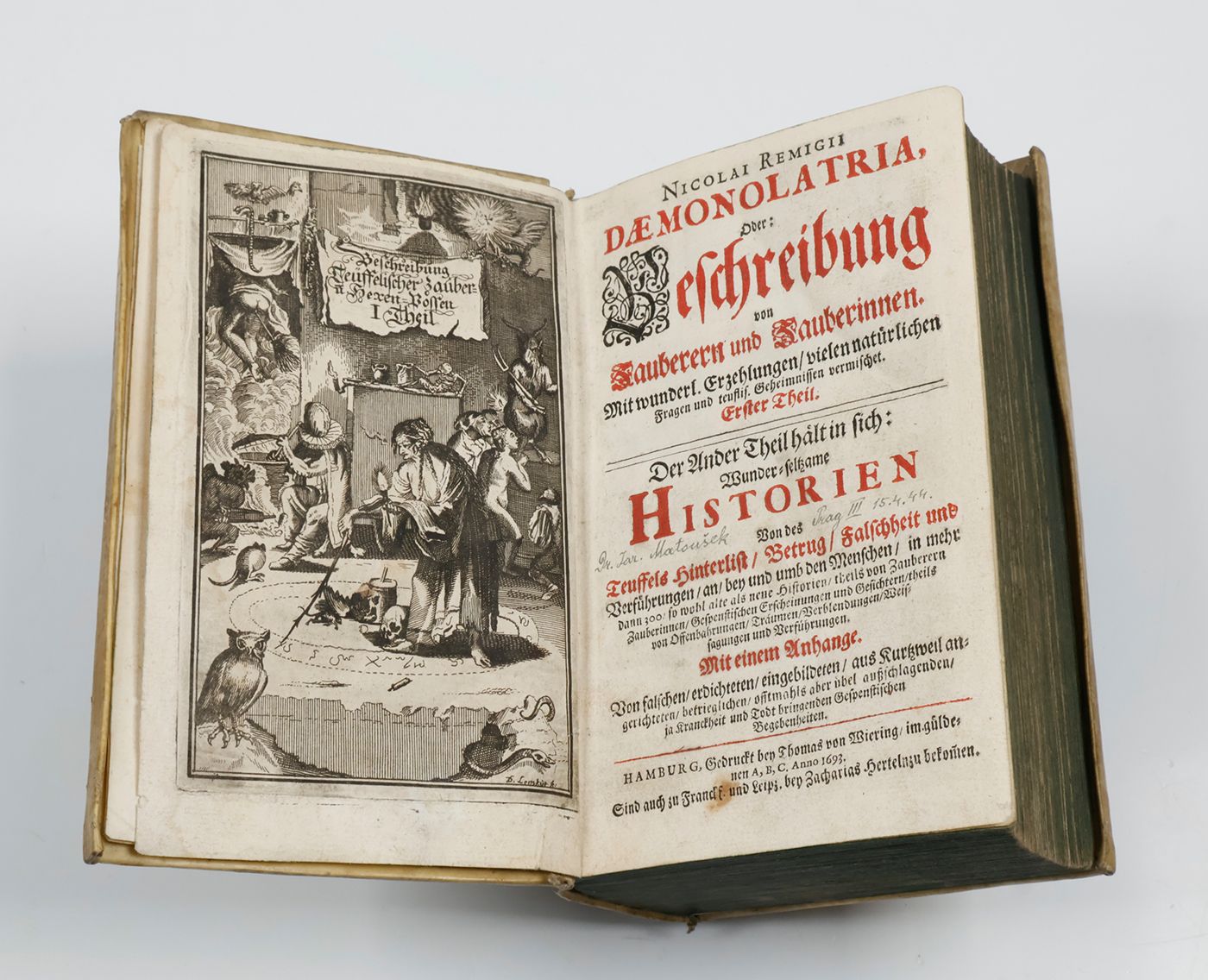
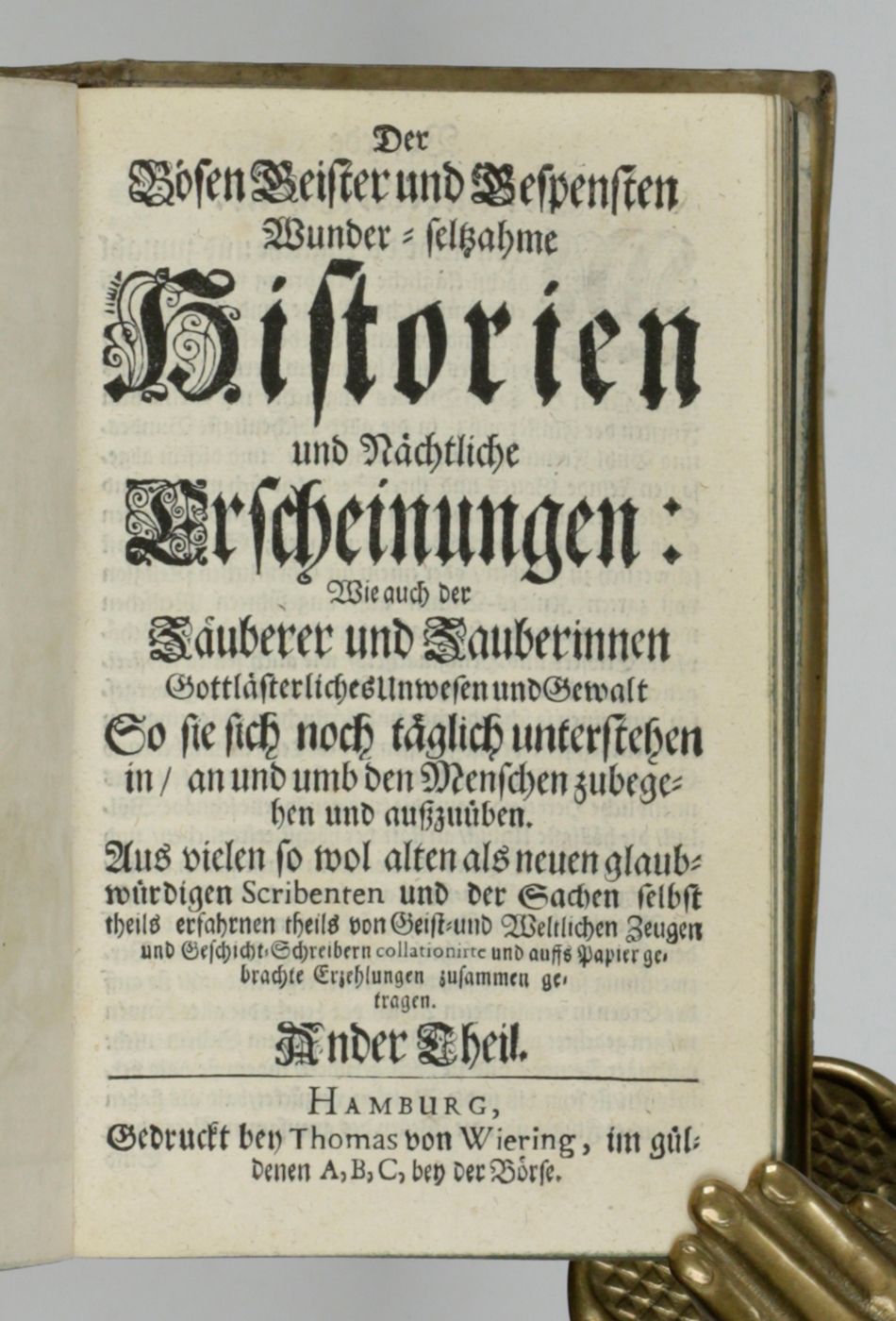
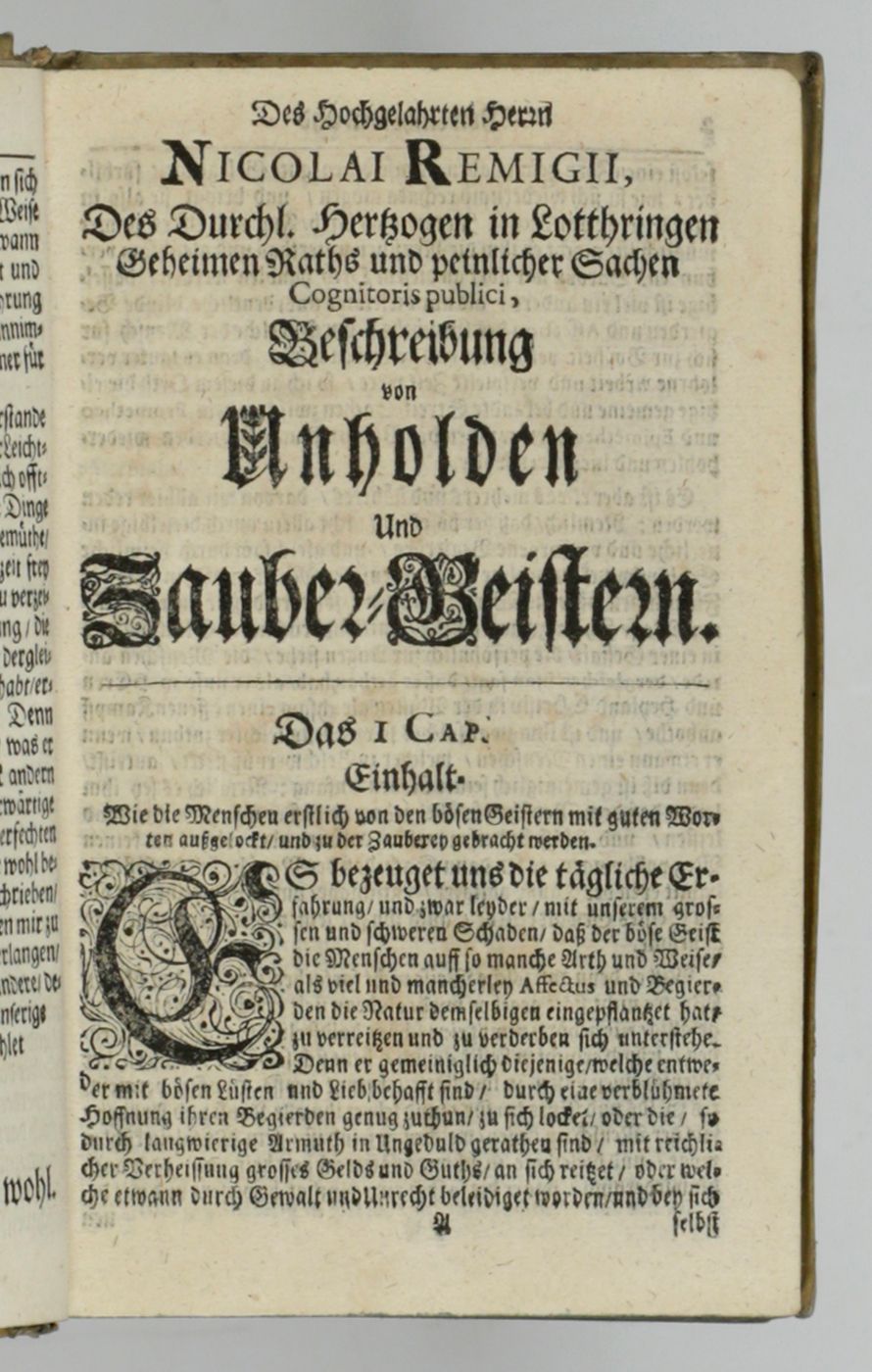
Daemonolatria, oder: Beschreibung von Zauberern und Zauberinnen. Mit wunderlichen Erzehlungen, vielen naturlichen Fragen und teuflischen Geheimnissen vermischet
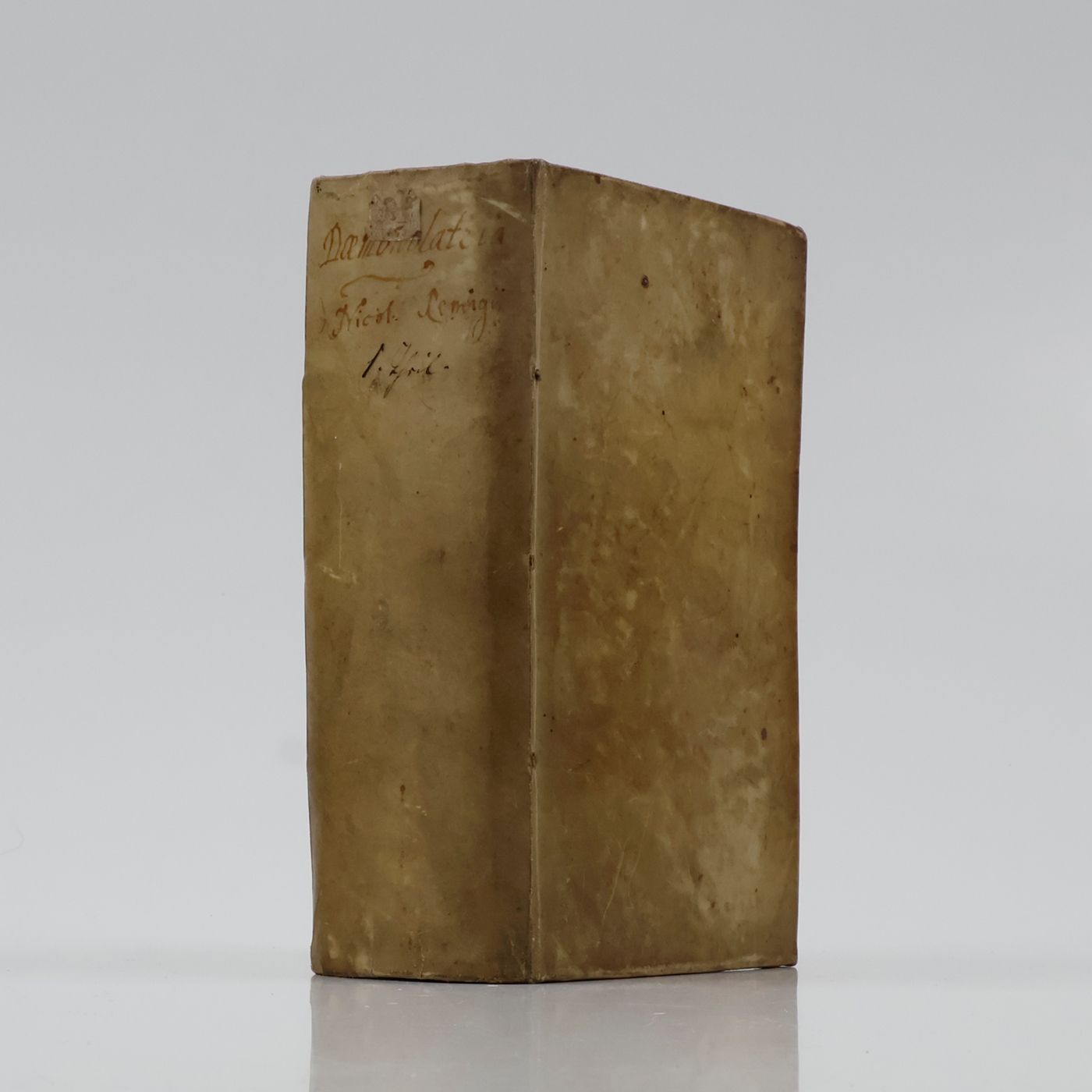
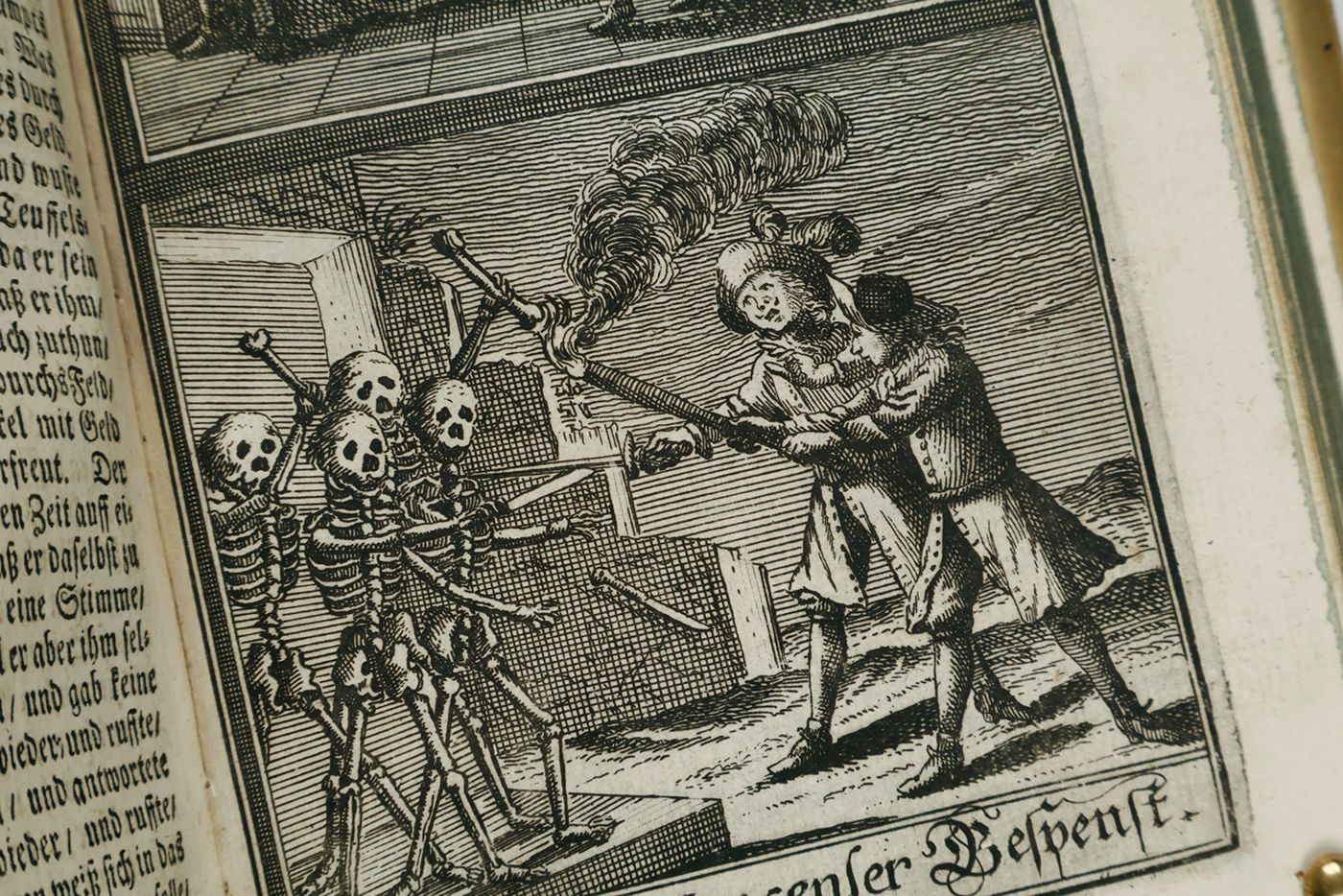
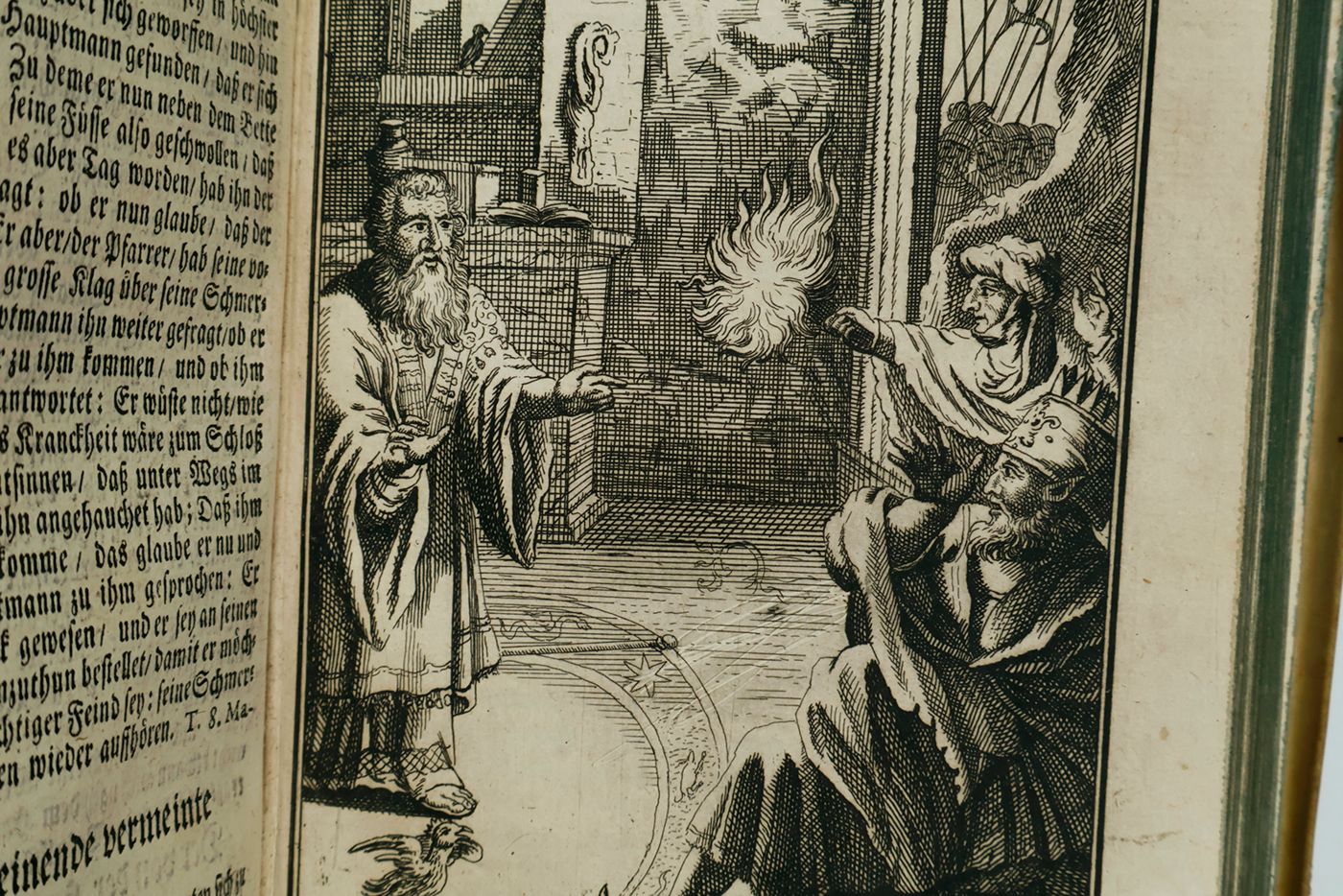
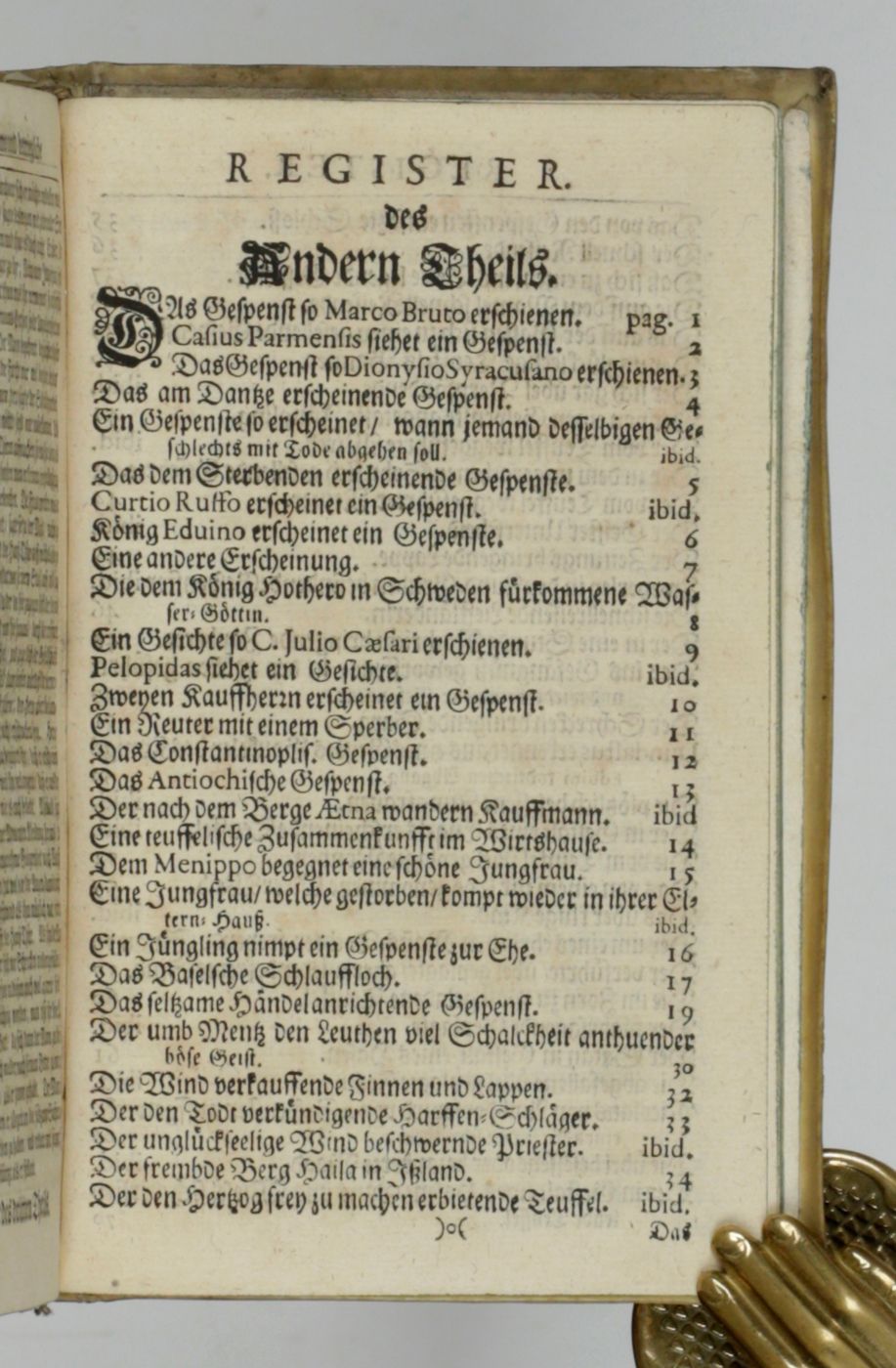
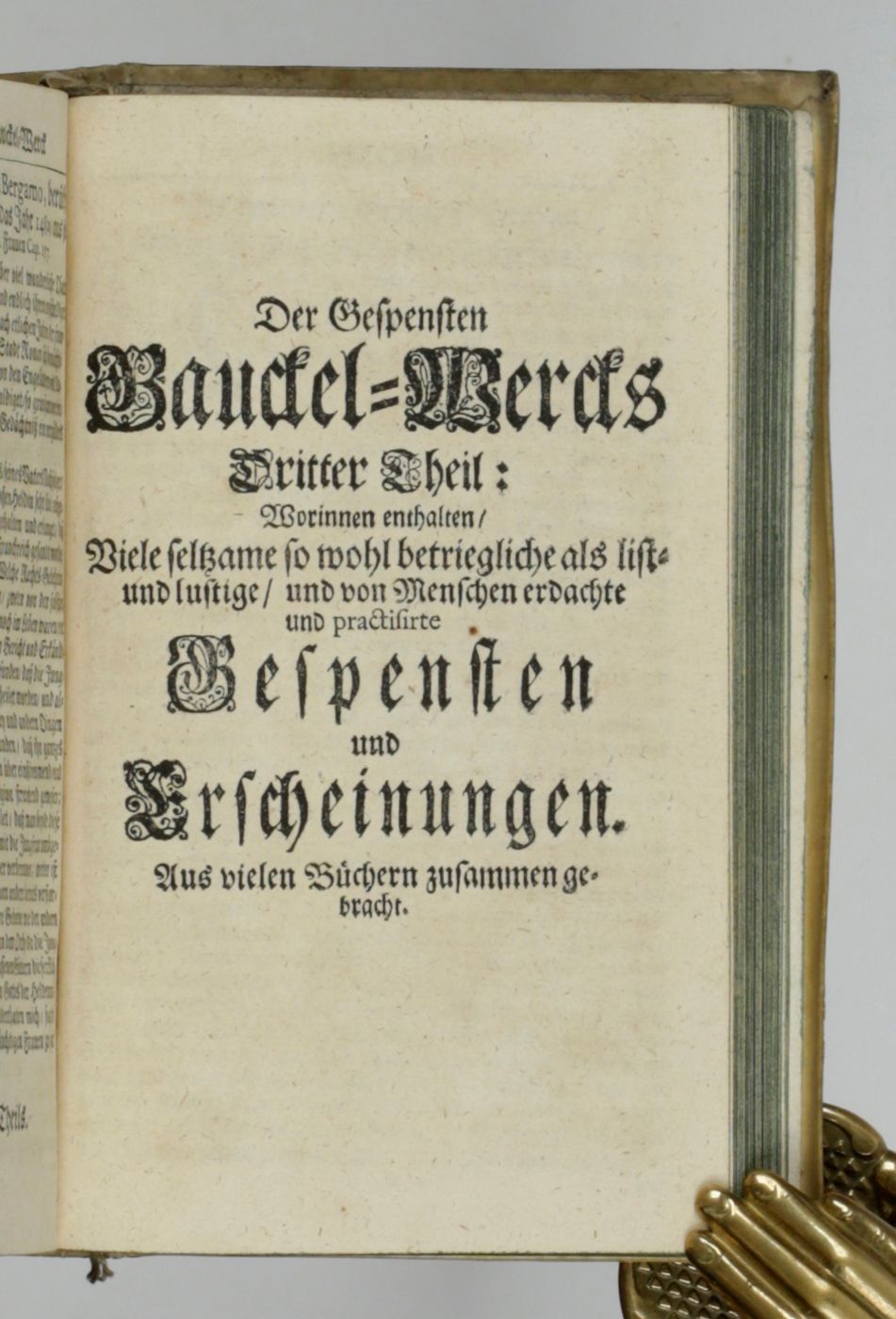
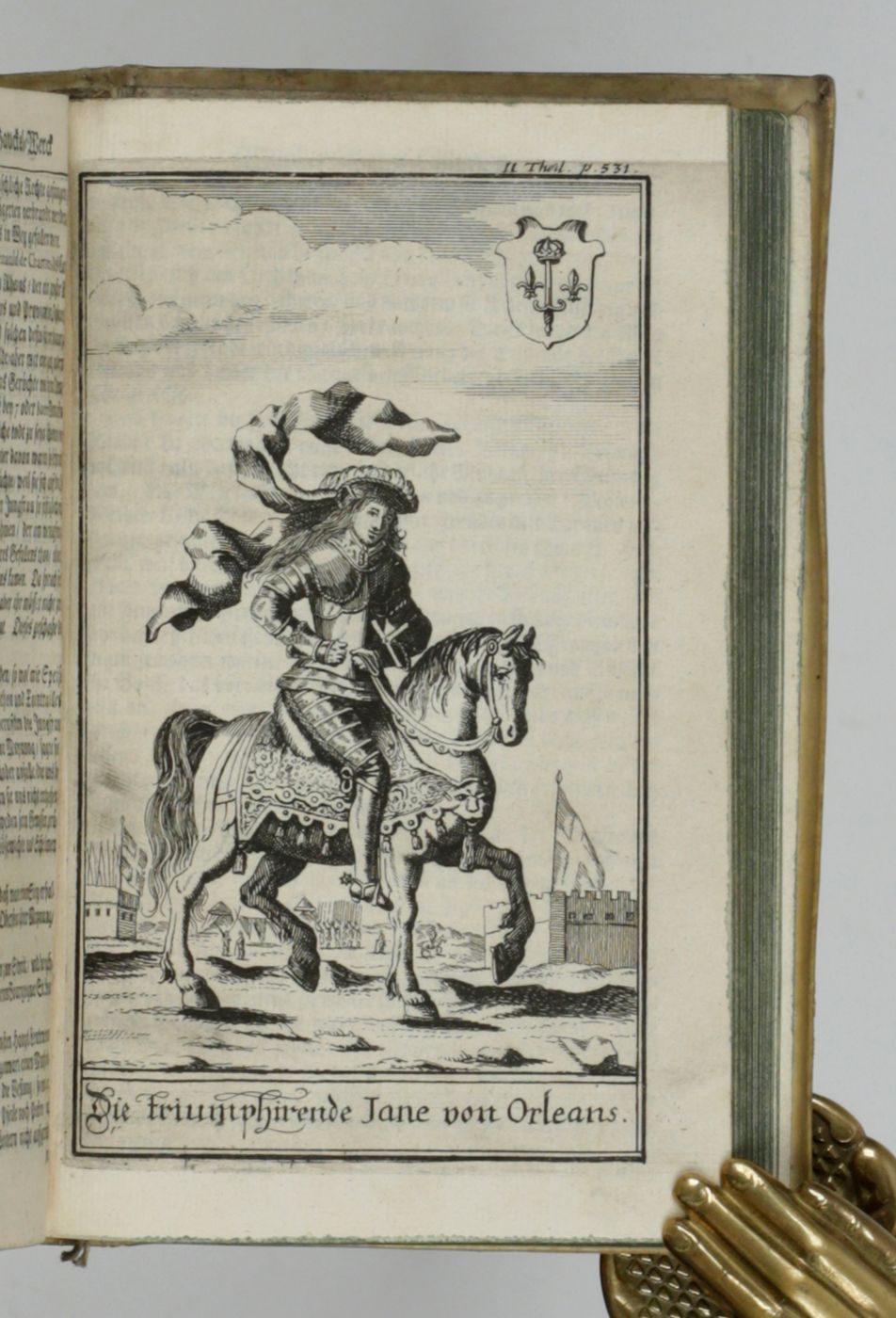
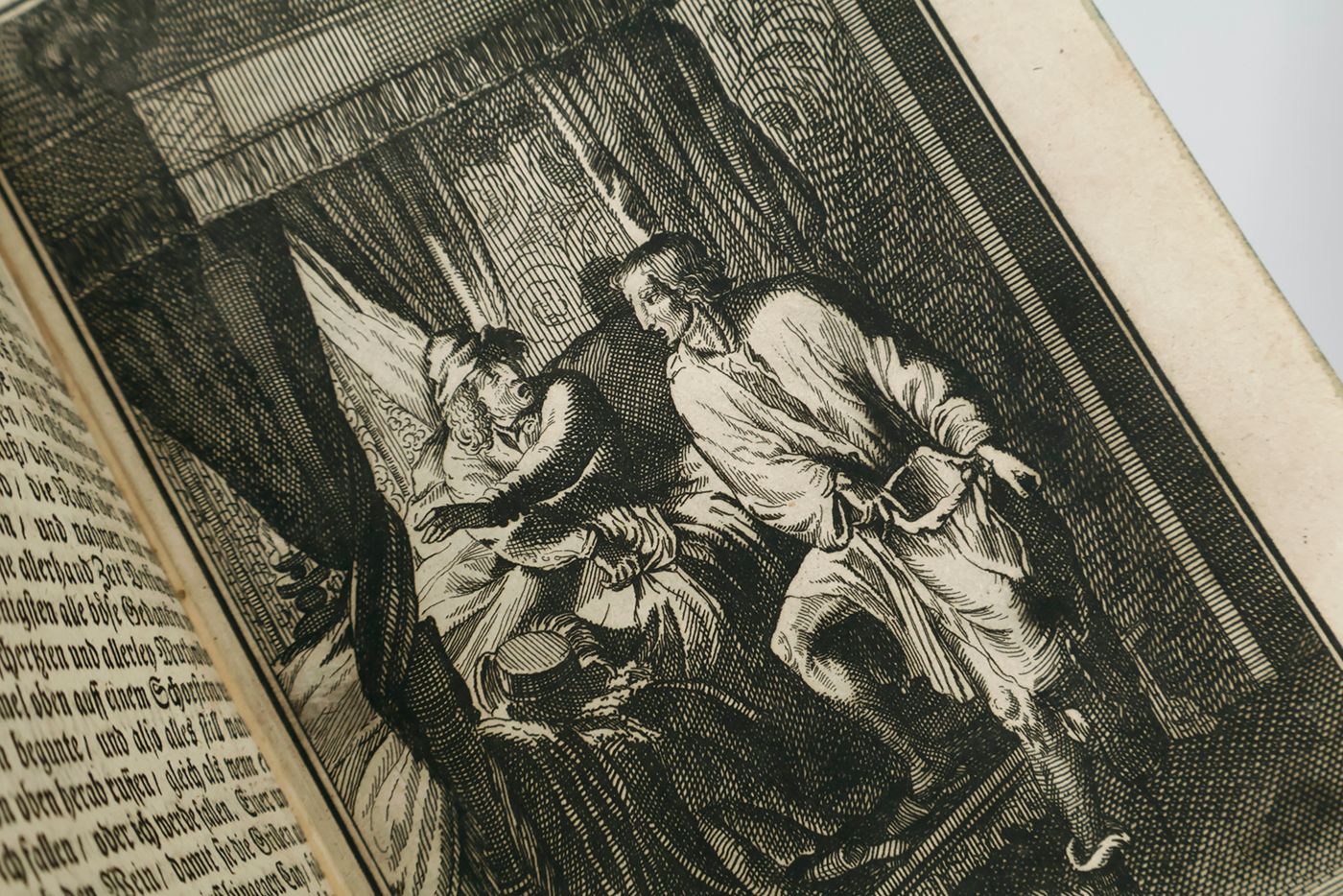
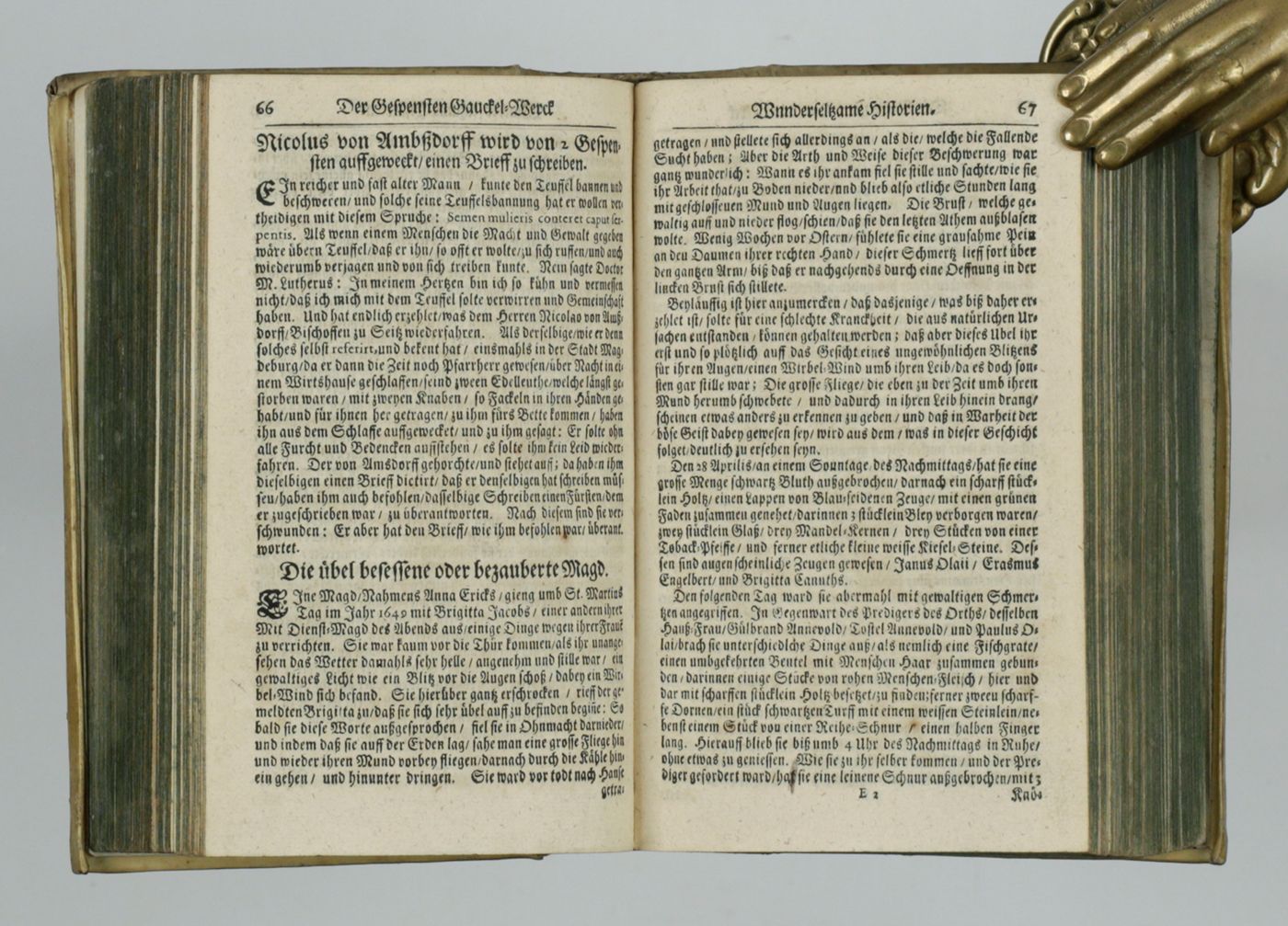
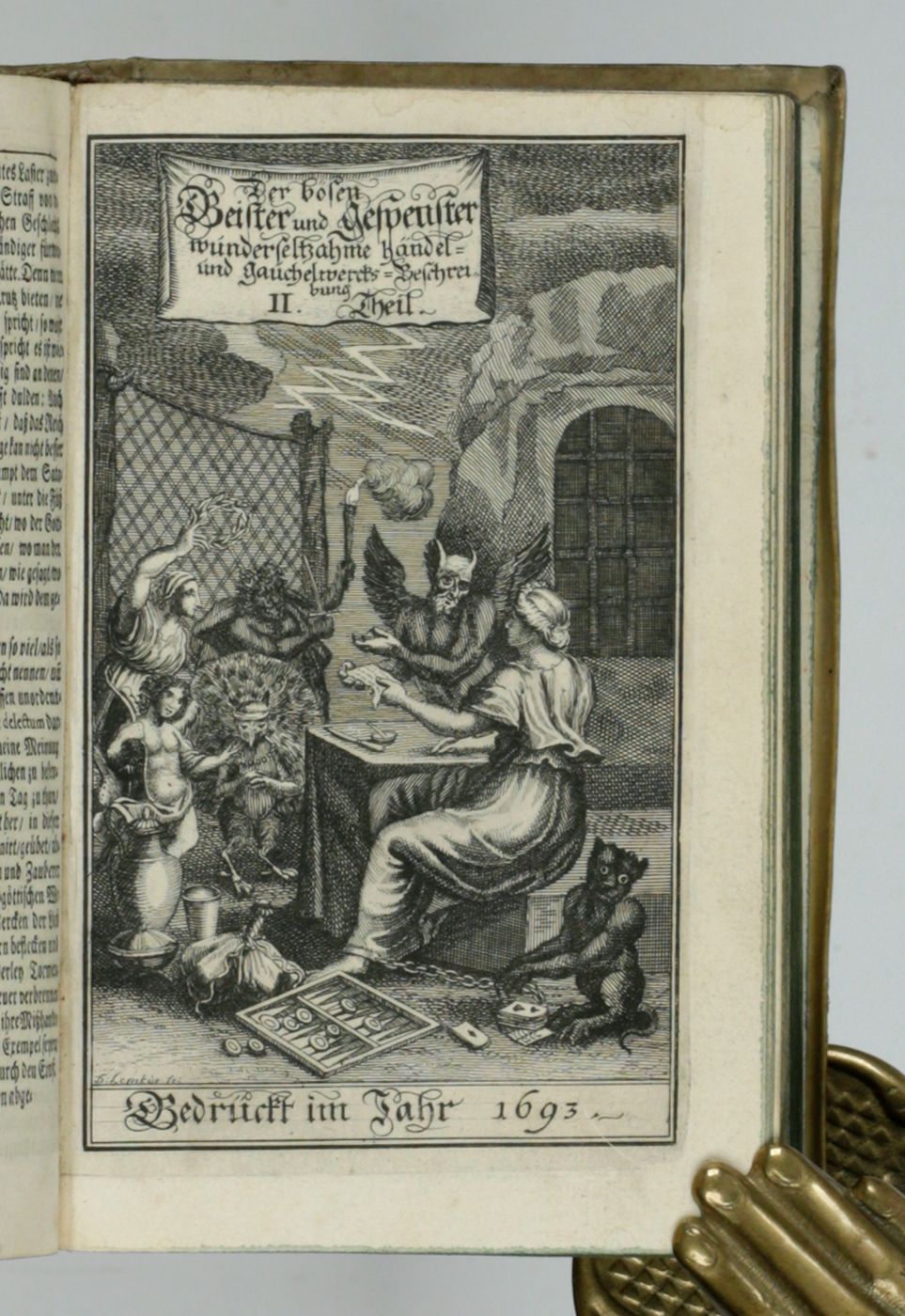
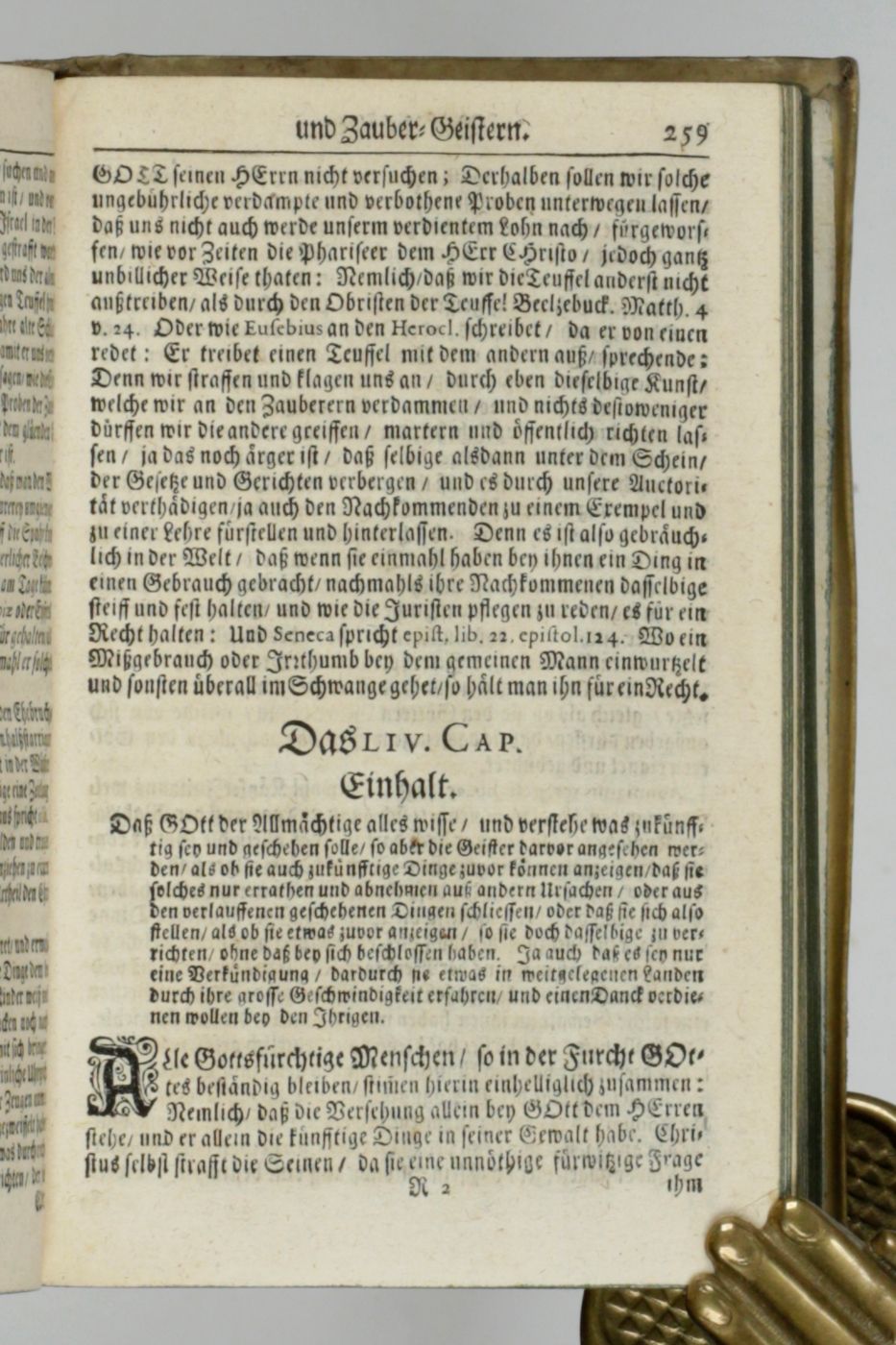
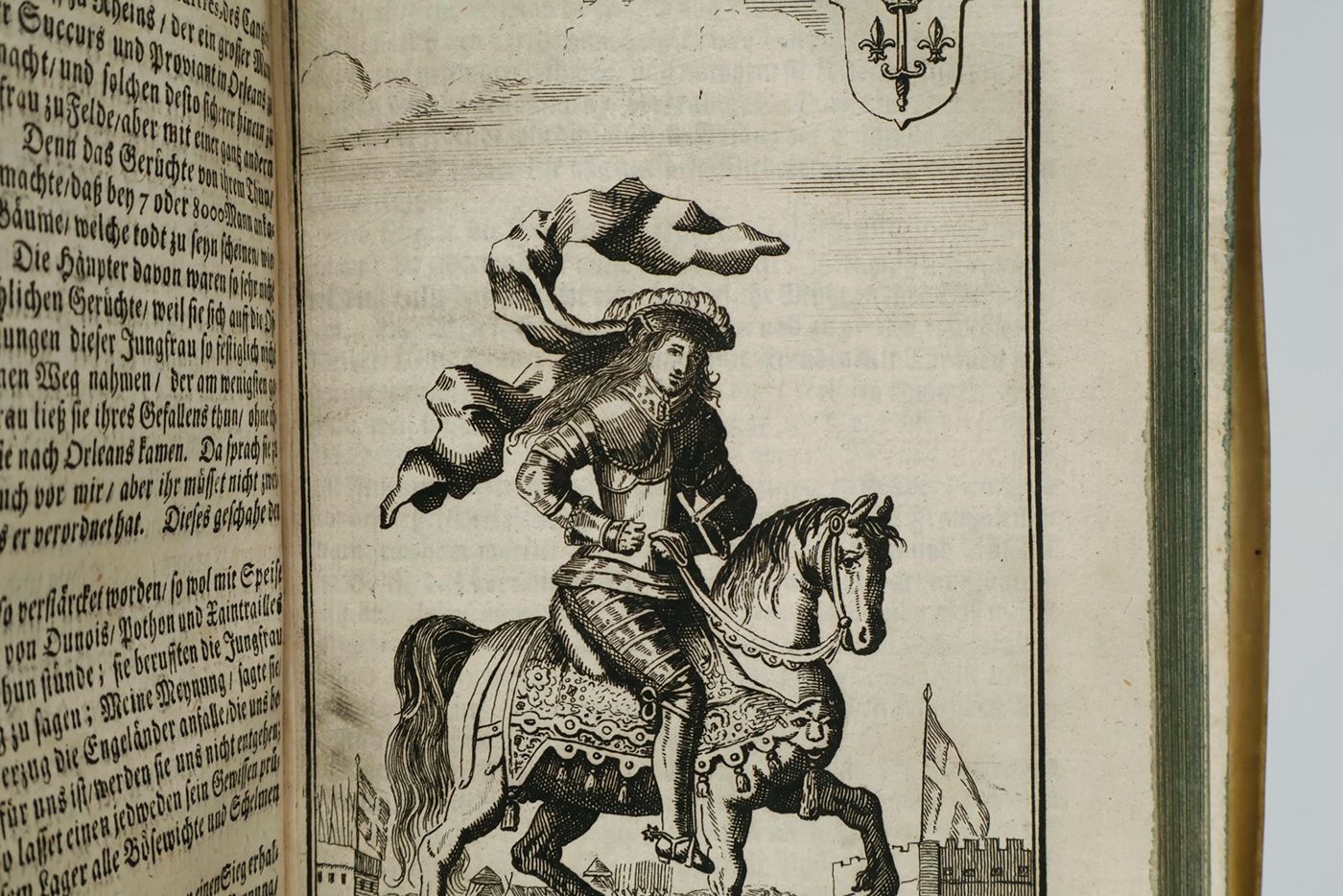
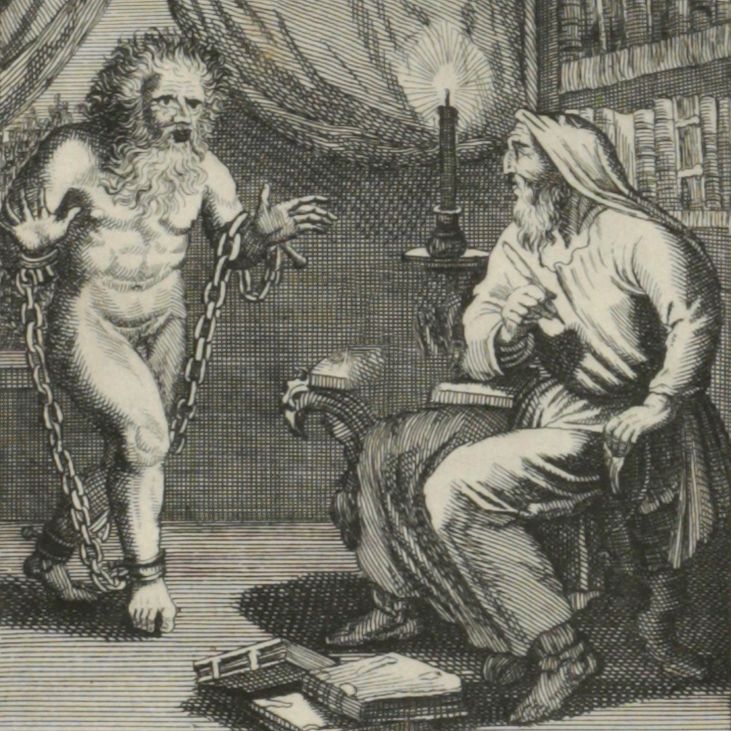
Hamburg, Thomas von Wiering, 1693. Small, thick 8vo ()16.8 x 10.6 cm). Two engraved frontispieces; three titles (first in red and black); 957 pp. (viii, 288; [vii], 544; 3-96, [xvi]); six engraved plates (for a total of eight page-sized engravings). Contemporary blind vellum. Script title in an old hand on the spine. Green edges.
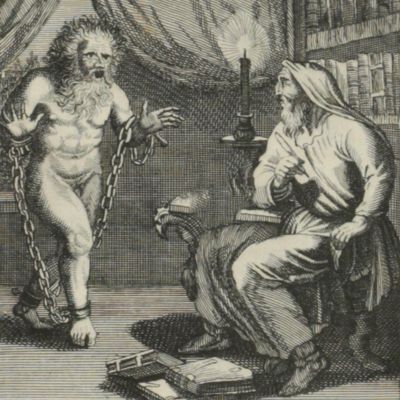
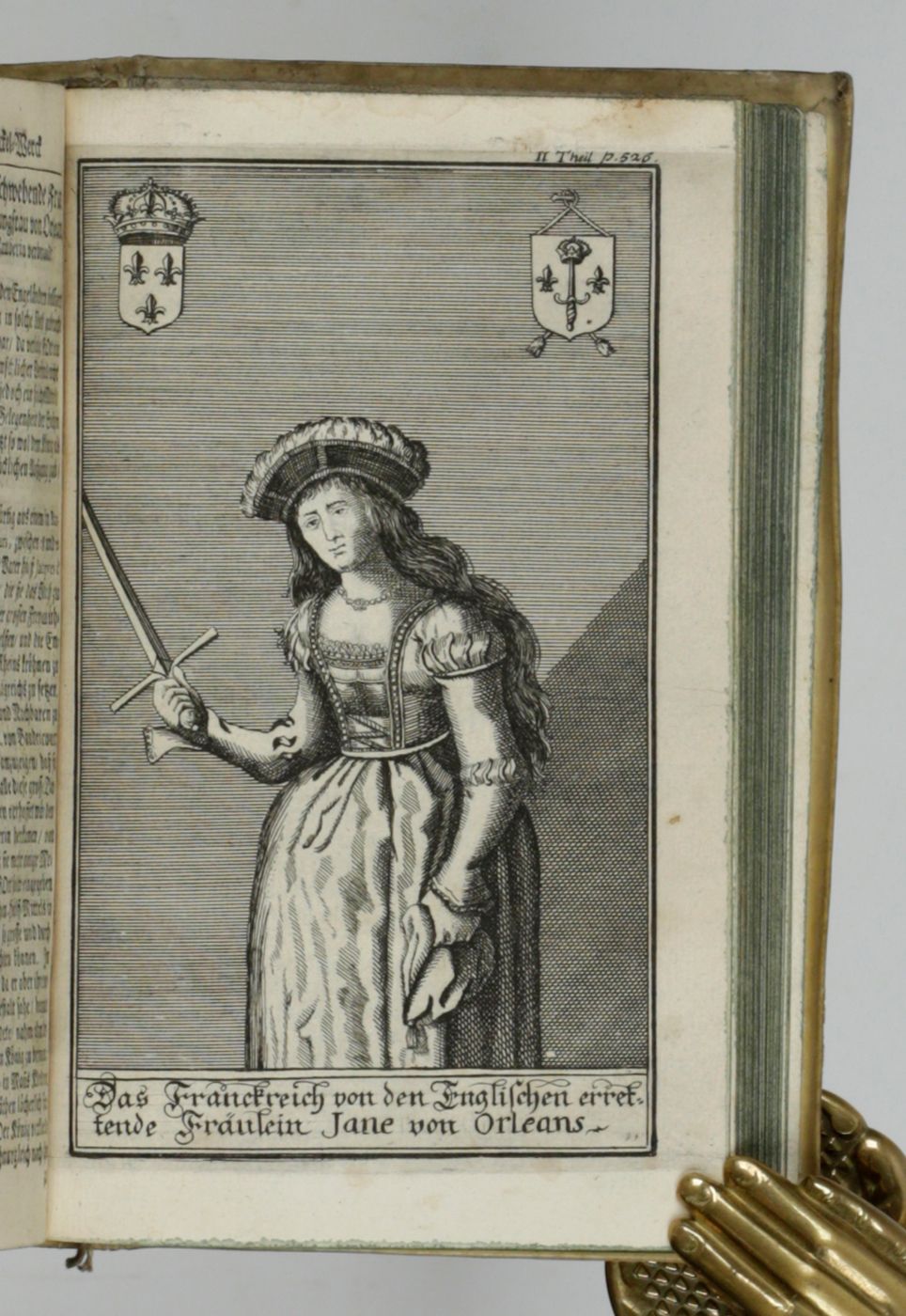
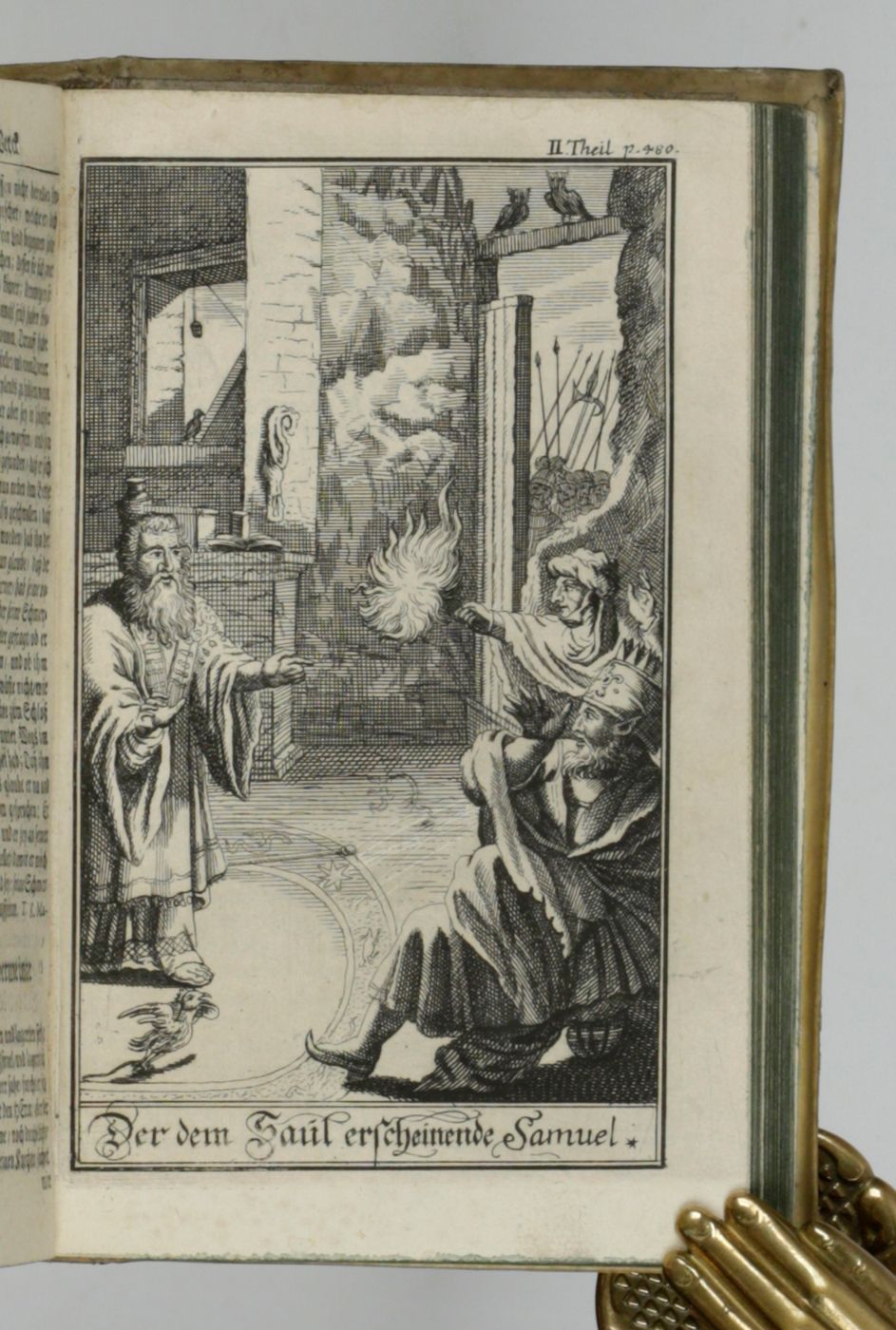
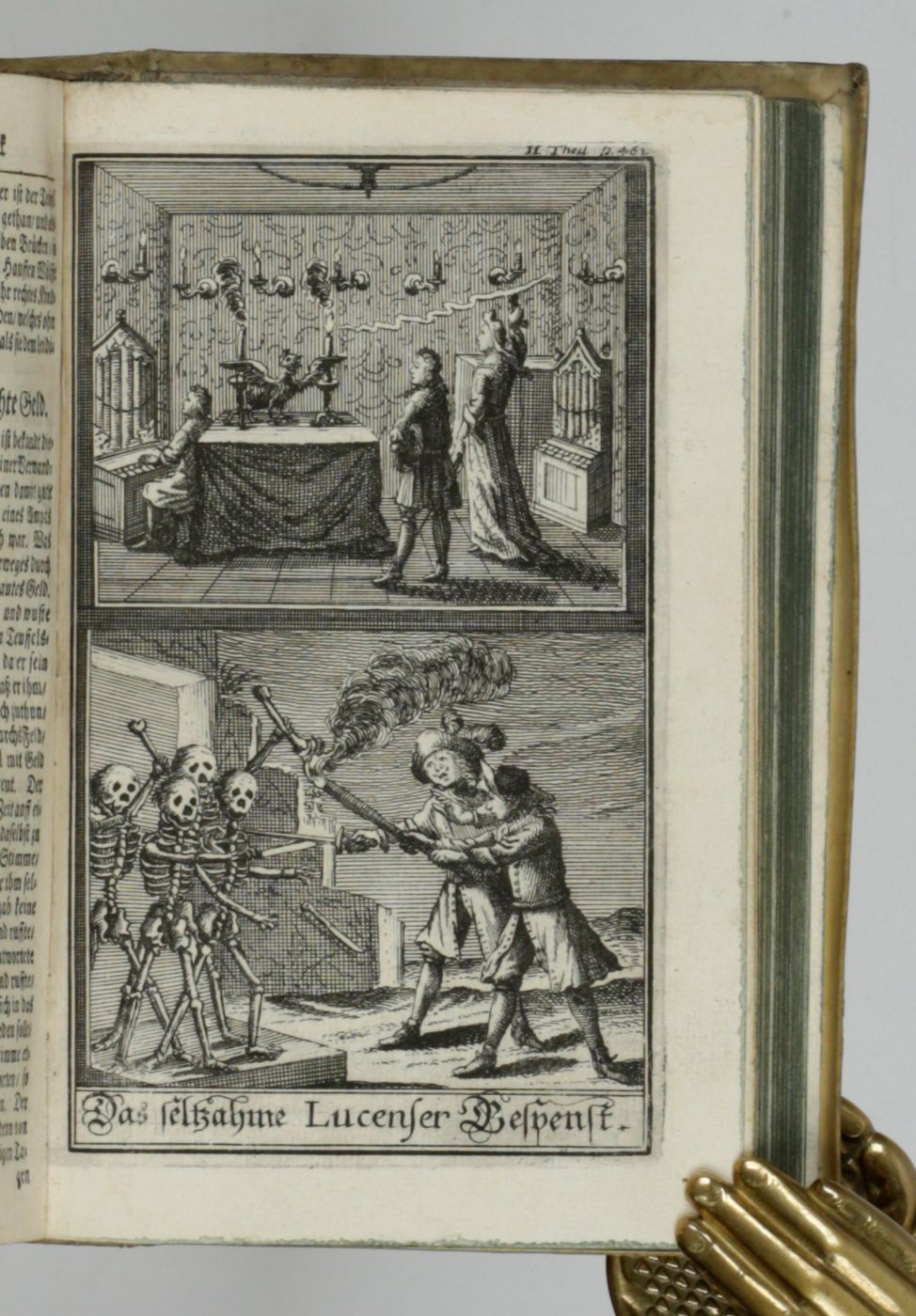
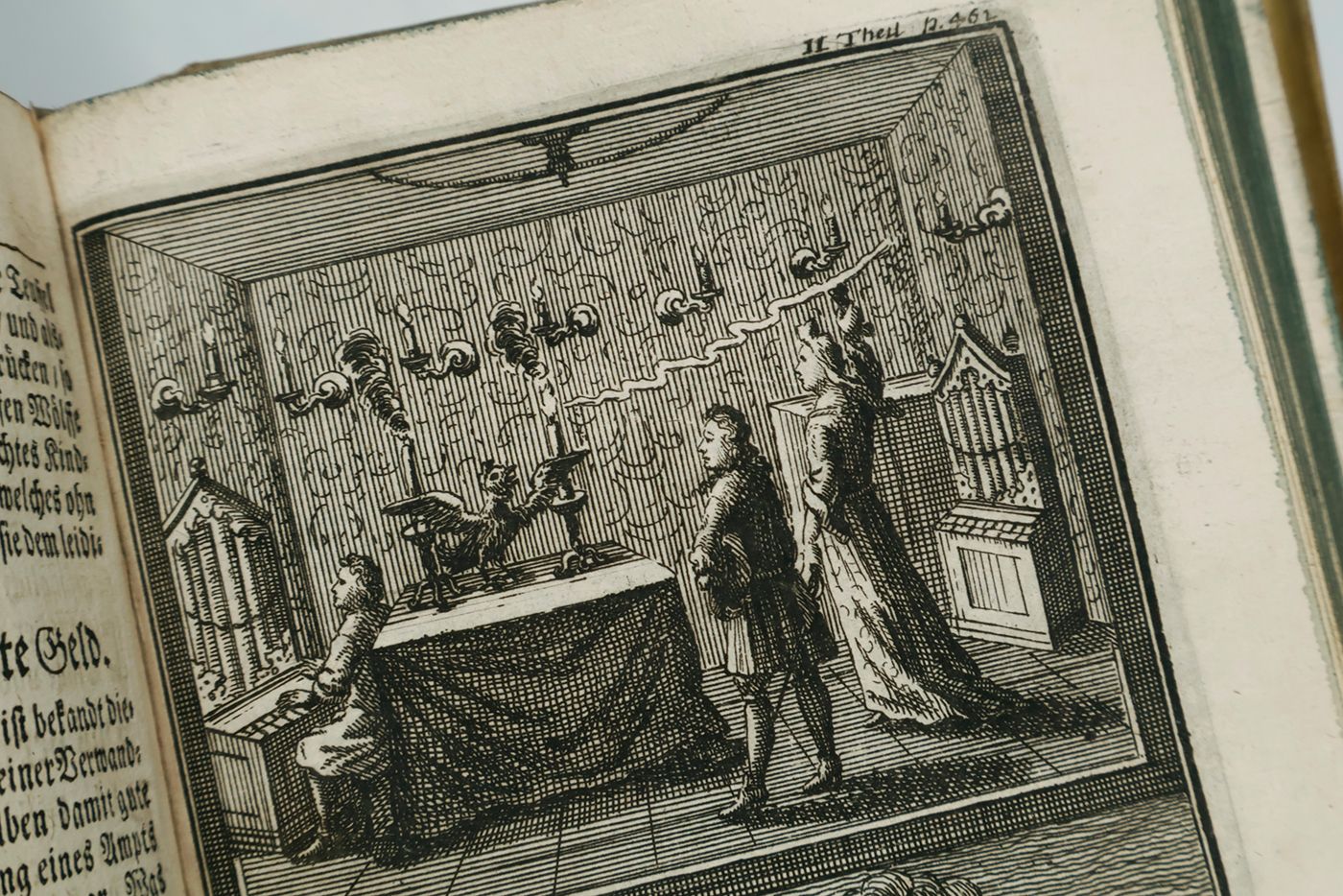
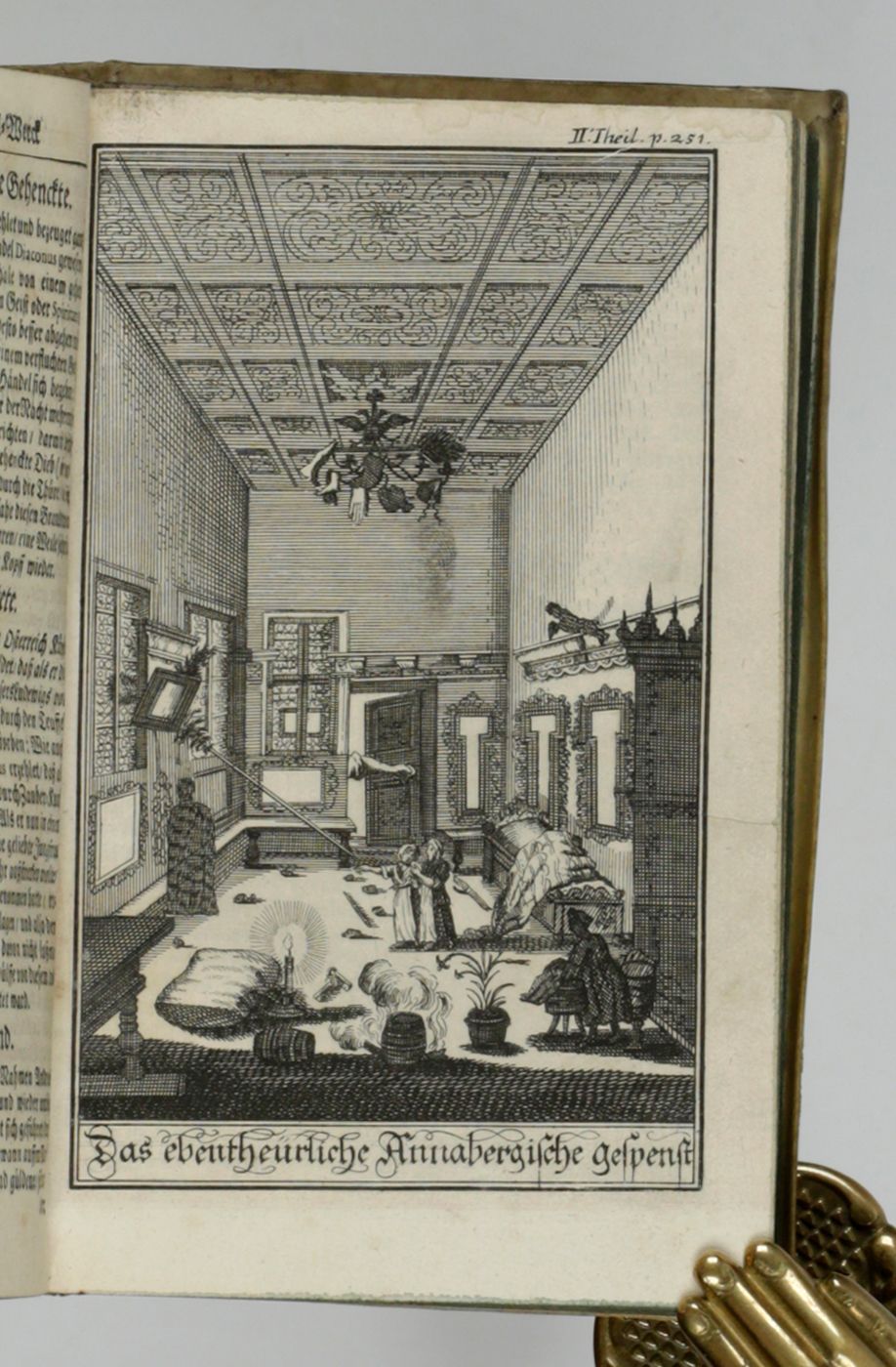
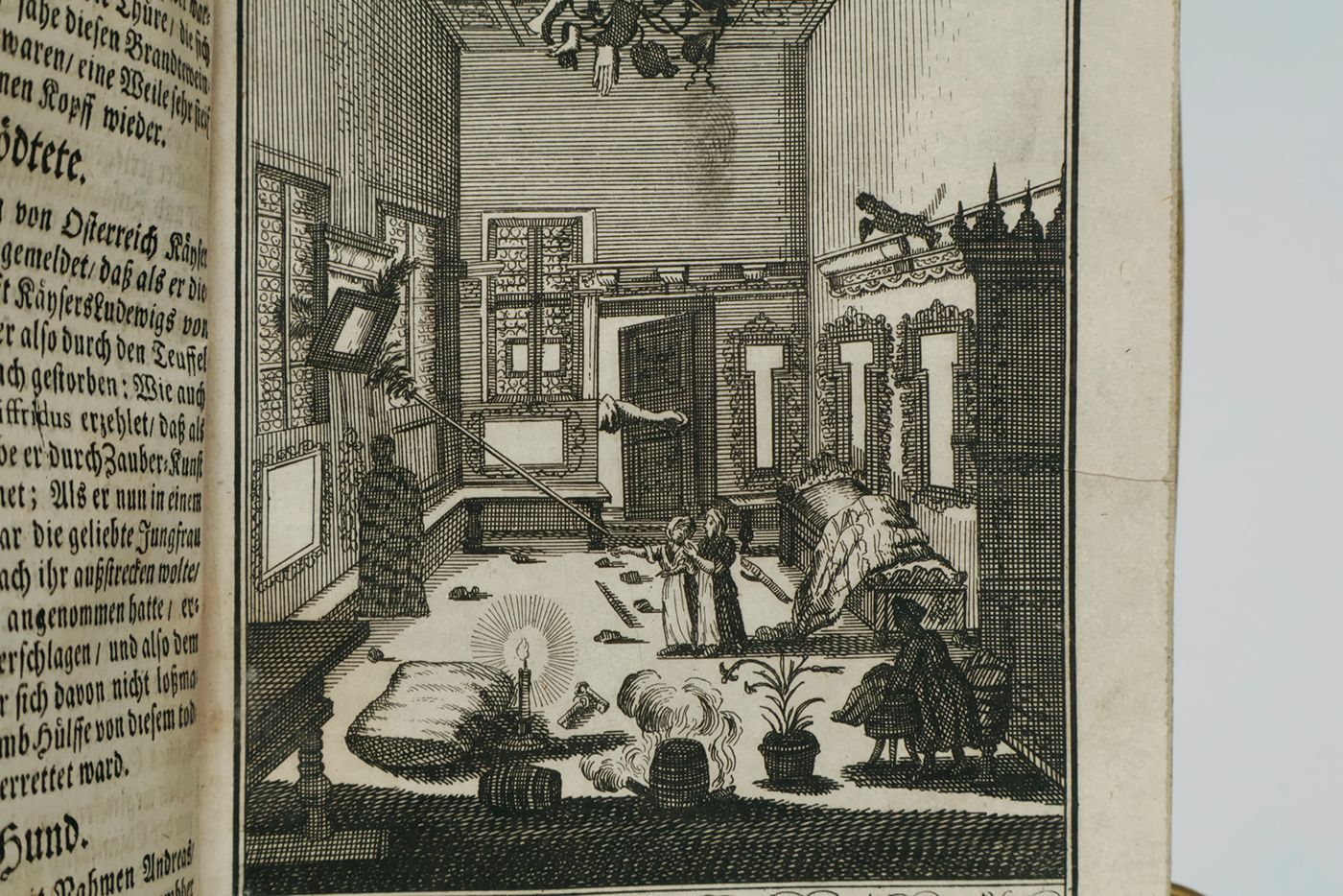
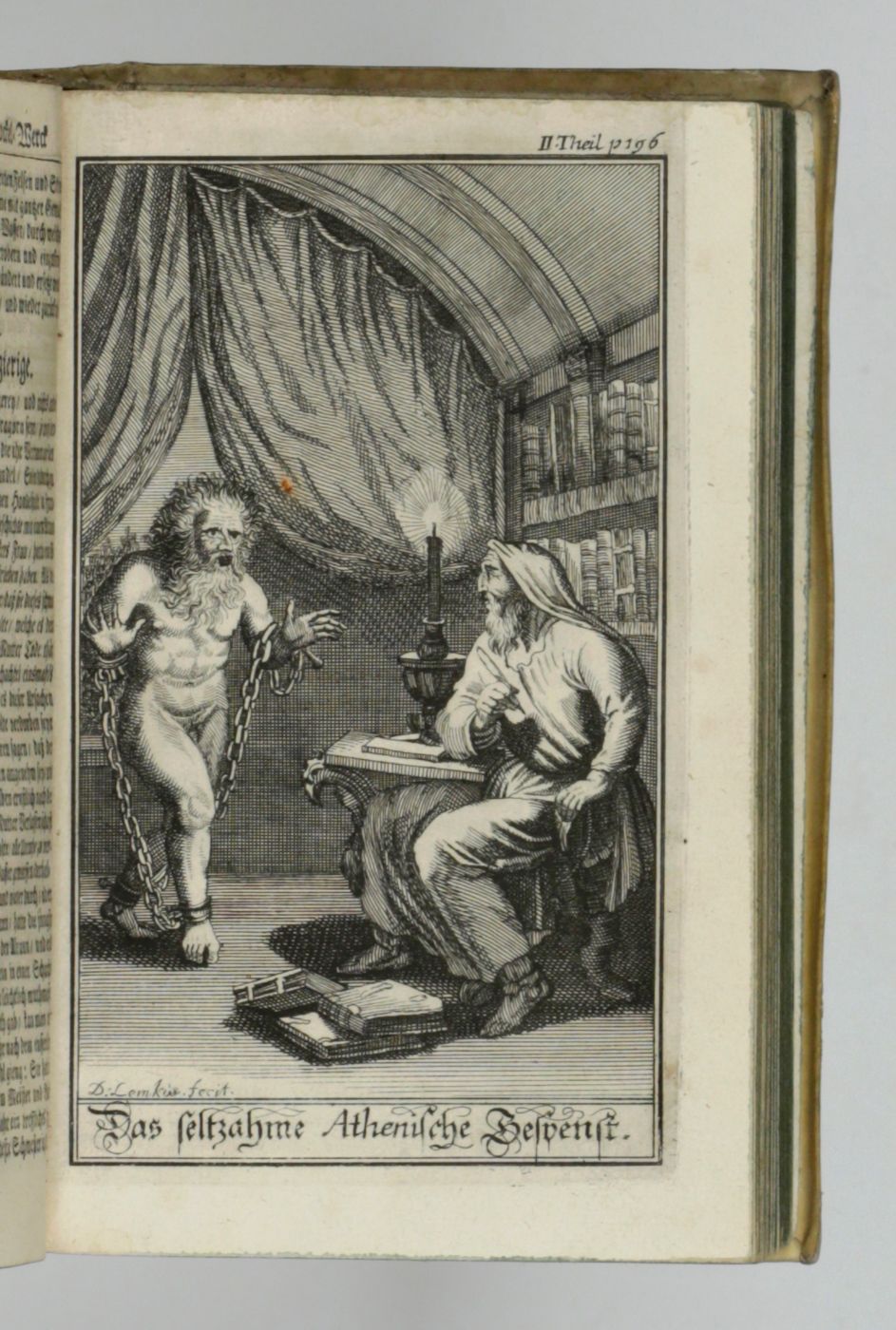
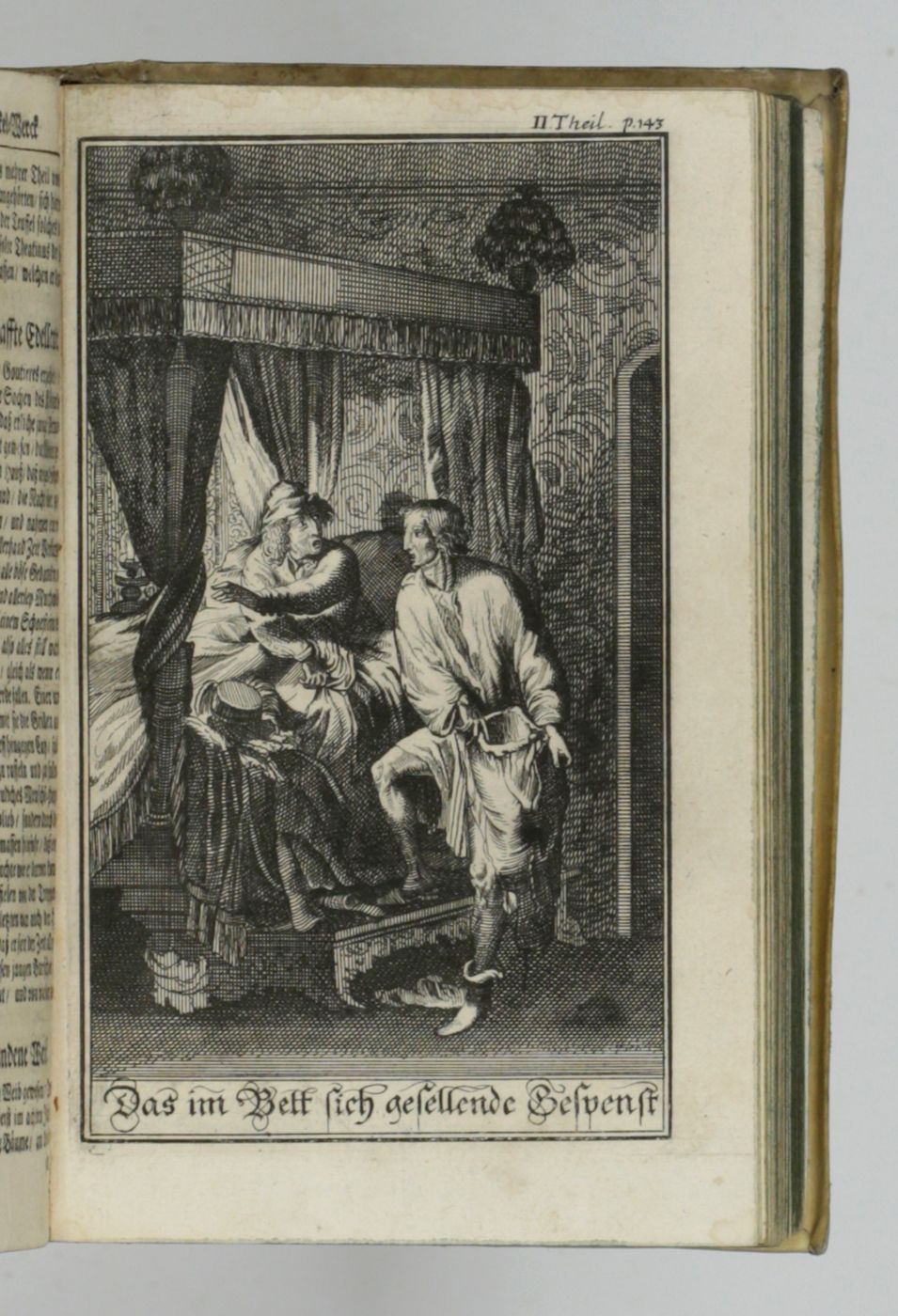
Written by the French witch hunter Nicholas Remy, or Remigius (1530-1616). German translation of the Latin 1595 original. This German edition is the first with fine and horrifying illustrations by the German engraver Diederich Lemkus. Remy "was a French magistrate who claimed in his book to have overseen the execution of more than 800 witches and the torture or persecution of a similar number. His work shows much influence from Jean Bodin. After studying law at the University of Toulouse, Remy practised in Paris from 1563 to 1570. In 1570, his uncle retired as Lieutenant General of Vosges and Remy was appointed to the post; in 1575 he was appointed secretary to Duke Charles III of Lorraine. Remy wrote a number of poems and several books on history, but is known for his Daemonolatreiae libri tres ("Demonolatry"), written in Latin and published in Lyon in 1595. The book was reprinted several times, translated into German [this work], and eventually replaced the Malleus Maleficarum as the most recognized handbook of witch-hunters in parts of Europe. According to Remy, the Devil could appear before people in the shape of a black cat or man, and liked Black Masses. Demons could also have sexual relationships with women and, in case they did not agree, rape them. He was of the Catholic faith, and wrote his Latin works with the blessings of the Church, but was not himself a priest and married at least once (possibly twice), fathering quite a few children. One of them, a favored son, was supposedly killed in a street accident at the beginning of Remy's judicial career after being cursed by an old beggar woman when Remy refused to give her any money. This incident in 1582 was the start of Remy's career as a witch-hunter. He successfully prosecuted the beggar for bewitching his son and had the woman put to death. Finding witches was very personal business for Remy. An extremely educated man for his day, he seemed to have utterly believed in what he was doing. Remy personally sentenced 900 people to death between 1581 and 1591. In 1592, Remy retired and moved to the country to escape the bubonic plague. There he compiled notes from his ten-year campaign against witchcraft into the Demonolatry"(Wikipedia). Remy's notoriety stretched into our lifetime: in the 1987 television series Werewolf, he is shown as a werewolf who has been alive since the times of the Inquisition. He used his position as a magistrate to conceal his own lycanthropy. The character was portrayed by Brian Thompson. Remy and the Daemonolatriae libri tres, are also featured in the 1999 movie The Ninth Gate. small stain to the lower margin of the first few text leaves; small, professional repair to the title near the gutter and in first blank, rear free endpaper cleaned; otherwise, a very good, clean, handsome copy. Brunet 4, p. 1217 (Latin editions); Thieme/Becker 23, p. 28 (for Lemkus).